Table of Contents
Unveiling Aymara: A Language Rooted in the Andes
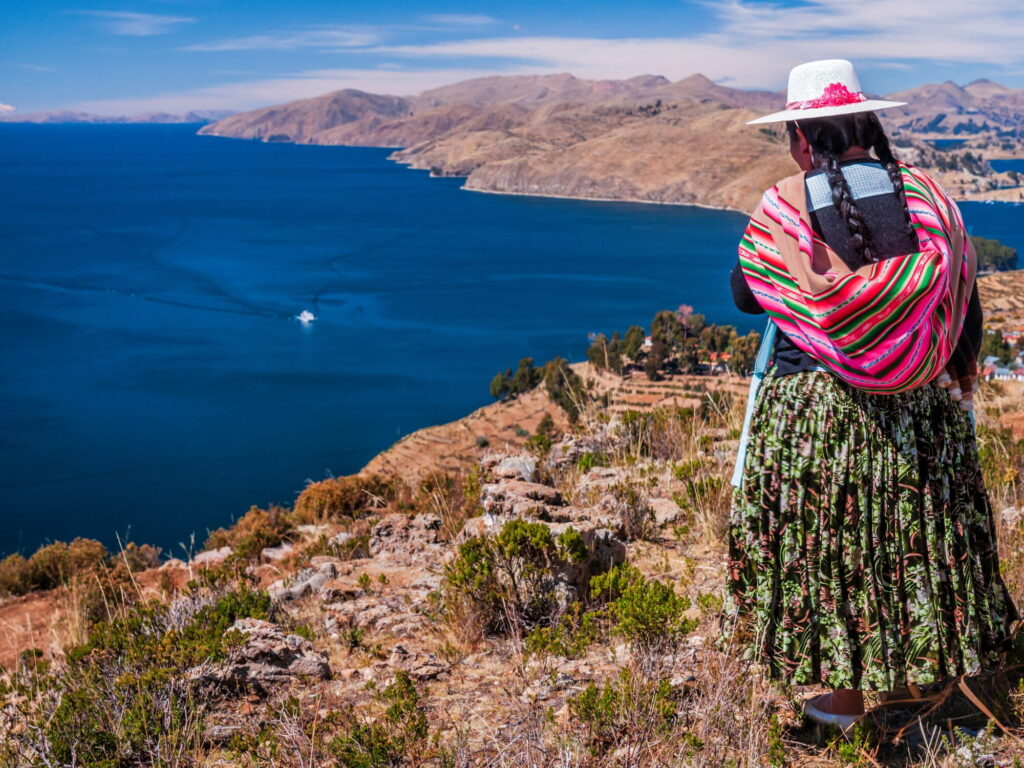
When you think of the Andean region, you may picture towering mountains, vast highland plains, Lake Titicaca, and a rich cultural heritage shaped by centuries of Indigenous traditions. Bolivia, Peru, and northern Chile are home to diverse communities and languages, and among the most important is Aymara.
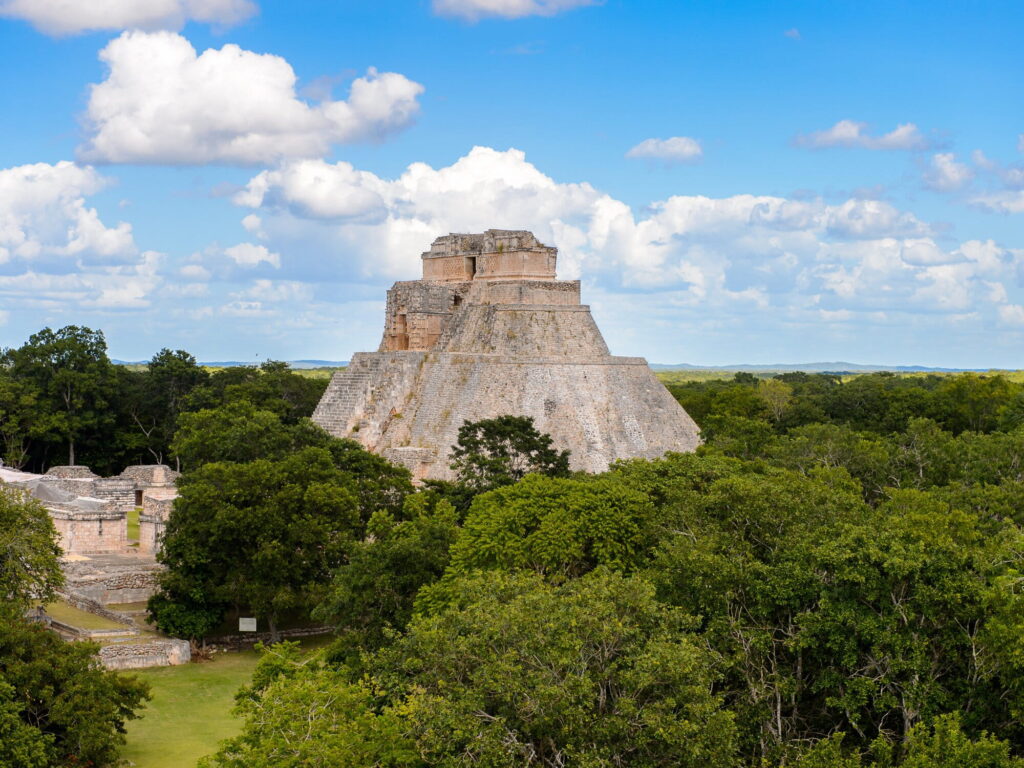
The Aymara people have lived in the Andean highlands for centuries. Their history is closely connected to the region around Lake Titicaca, while their cultural and linguistic traditions developed through interactions with other Andean societies, including the Tiwanaku and later the Inca. Although the exact historical relationship between the modern Aymara people and the Tiwanaku civilization is complex and still studied by researchers, Tiwanaku remains an important part of the broader cultural history of the region.
Despite centuries of Spanish colonization and social pressure, the Aymara language remains an important part of Indigenous identity. It is spoken by well over a million people across Bolivia, Peru, and Chile and continues to be used in homes, communities, education, media, and cultural traditions. More than simply a means of communication, Aymara carries knowledge, history, values, and a distinctive connection to Andean life.
Where Is Aymara Spoken?
Aymara is primarily spoken in Bolivia, Peru, and northern Chile, with the largest number of speakers living in Bolivia and Peru. In Bolivia, Aymara is recognized as an official language alongside Spanish and numerous other Indigenous languages. The language also has official recognition in Peru, where Aymara-speaking communities are particularly concentrated in the southern Andes around Lake Titicaca.
Many Aymara speakers are bilingual, using both Aymara and Spanish depending on the situation. In some communities, however, Aymara remains an important language of everyday communication within families and local communities. Traditional songs, storytelling, ceremonies, and oral knowledge also help pass the language from one generation to the next.
The geographic spread of Aymara is particularly fascinating because the language connects communities across modern national borders. For Aymara speakers, cultural and linguistic identity often extends beyond the boundaries separating Bolivia, Peru, and Chile.
The Sound and Structure of Aymara
Aymara pronunciation and grammar have several features that make the language particularly interesting for language learners. Aymara belongs to the Aymaran language family and has a structure quite different from Spanish and English.
Here are some of its most distinctive characteristics:
- Agglutinative grammar: Aymara builds words by adding suffixes to roots, allowing speakers to express complex meanings within a single word.
- Three-vowel system: Standard Aymara writing uses three basic vowels: a, i, and u. Their pronunciation can vary depending on the surrounding consonants.
- Glottalized consonants: Aymara includes consonants that can be pronounced with glottalization. These are often represented with an apostrophe, such as p’, t’, and k’.
- A distinctive way of talking about time: Aymara has attracted considerable linguistic interest because of expressions describing the relationship between what is known and unknown, including conventional metaphors involving the past and future.
These characteristics give the Aymara language a distinctive sound and grammatical structure. If you’re learning Aymara, listening to native speakers is especially useful because pronunciation and rhythm can be difficult to understand from written examples alone.
If you’re curious about what Aymara sounds like, listen to the recording of a native speaker:
Useful Aymara Phrases
Learning a few Aymara phrases is a fun way to begin exploring the language and its sound. Here are some useful expressions to get you started:
- Kamisaki? – How are you?
- Waliki – I am fine.
- Yuspajara – Thank you.
- Jikisiñkama – See you later.
- Kunas sutimaxa? – What is your name?
- Nayan sutijax… – My name is…
When learning Aymara, keep in mind that regional variation can influence vocabulary, spelling, and pronunciation. If you are studying the language seriously, it is helpful to choose learning materials based on the particular variety you want to learn.
What Can You Discover Through Aymara?
Learning Aymara can give you a deeper connection to Andean history and contemporary Indigenous culture. Language is more than vocabulary and grammar: it provides a way to understand traditions, relationships, stories, and ways of interpreting the world.
With knowledge of Aymara, you can:
- Understand traditional practices: Explore Indigenous knowledge surrounding agriculture, food preservation, community life, and other practices developed in the challenging environment of the Andes.
- Discover traditional plant knowledge: Learn how plants have traditionally been used by Andean communities and gain a deeper appreciation for local knowledge systems.
- Connect with Indigenous communities: Speaking Aymara can help you build more meaningful connections with people and communities who use the language in their everyday lives.
- Explore Andean history: Knowledge of Aymara can provide additional cultural context when visiting places and archaeological sites around Lake Titicaca and the wider Andean region.
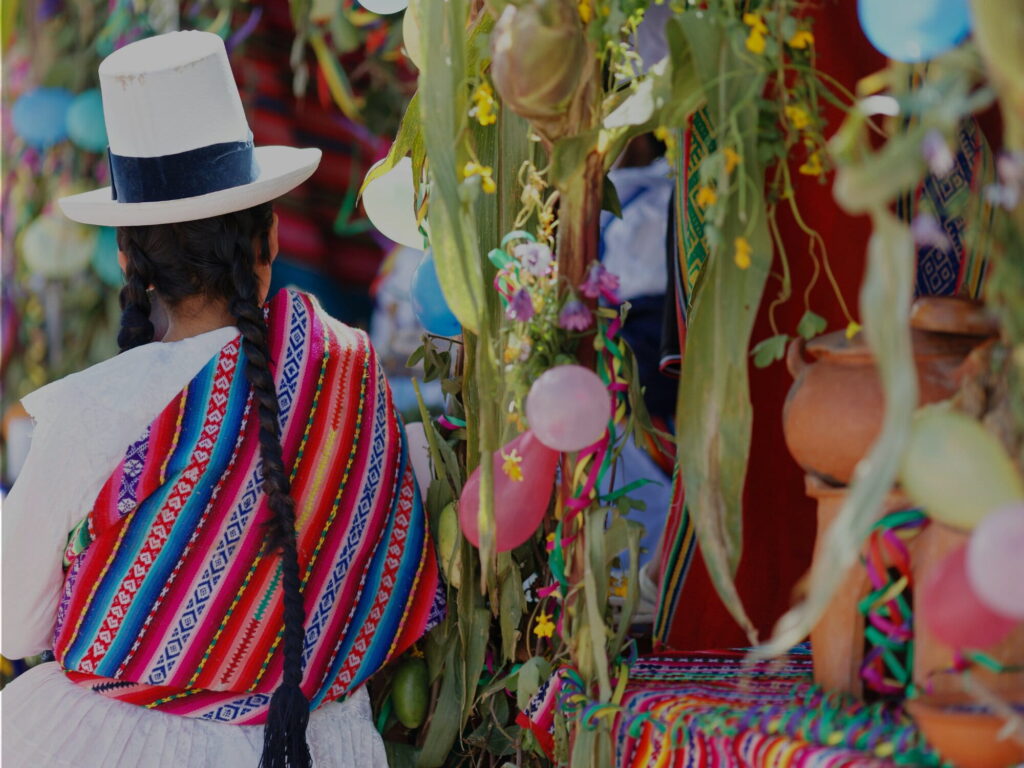
- Experience festivals and traditions: Understanding the language can make it easier to appreciate the meaning behind songs, celebrations, ceremonies, and other cultural traditions.
One particularly interesting Aymara tradition is the aptapi, a communal meal associated with sharing and reciprocity. Participants contribute food to a shared gathering, creating an opportunity to strengthen relationships and community ties. Depending on the region and occasion, an aptapi may include foods such as potatoes, chuño, quinoa, cheese, and fish. The tradition reflects the importance of cooperation and mutual support in many Andean communities.
The Challenges Aymara Has Faced
Like many Indigenous languages, Aymara has faced significant challenges throughout history. During Spanish colonization, Spanish increasingly became the dominant language of administration, education, and economic life. Indigenous languages were often marginalized, creating long-term pressure on communities to shift toward Spanish.
During the 20th century, Aymara speakers also experienced discrimination, particularly in urban environments and formal institutions. In some families, this contributed to a decline in the transmission of Aymara to younger generations. Language shift is often closely connected to social and economic pressures, rather than simply a matter of personal preference.
Despite these challenges, Aymara has remained remarkably resilient. Strong community identities, continued intergenerational transmission in many areas, and growing recognition of Indigenous rights have helped maintain the language.
Reviving Aymara in the Modern World
Today, Aymara language revitalization is taking place through education, media, technology, and community initiatives. Bolivia and Peru have introduced policies supporting Indigenous-language education, while Aymara continues to appear in schools, radio, television, literature, and other forms of media.
Digital technology is creating even more opportunities for learning Aymara online. Websites, videos, mobile apps, social media, and online communities allow learners to encounter the language from almost anywhere. These resources are particularly valuable for younger generations and for members of the Aymara diaspora who want to reconnect with their linguistic heritage.
Some of the most important areas supporting the future of Aymara include:
- Bilingual education: Teaching Aymara alongside Spanish can support language transmission among younger generations.
- Digital learning: Apps, websites, videos, and online courses make the language more accessible to new learners.
- Media and literature: Radio, music, books, television, and social media create modern spaces where Aymara can be used.
- Community initiatives: Local communities remain central to maintaining and transmitting the language.
- Cultural recognition: Greater recognition of Indigenous languages can help strengthen the status of Aymara in public life.
Looking Forward: The Future of Aymara
The future of the Aymara language depends on its continued use by younger generations. Education and government recognition are important, but languages remain strongest when people use them naturally in their homes, communities, workplaces, cultural activities, and increasingly online.
Technology provides exciting new opportunities. A young Aymara speaker today can create videos, share music, communicate on social media, and develop digital content in ways that were impossible for earlier generations. At the same time, traditional knowledge and community-based language transmission remain essential.
The future of Aymara is therefore not simply about preserving an ancient language. It is about ensuring that Aymara remains a living language, capable of expressing modern experiences while continuing to carry the cultural knowledge and identity of Andean communities.
Ready to Learn Aymara?
Learning Aymara is an opportunity to discover one of the fascinating Indigenous languages of South America while gaining a deeper appreciation for Andean culture. You don’t need to be an expert in linguistics or history to get started. Learning a few basic phrases can give you an introduction to the language and encourage you to explore its unique sounds and structure.
If you’re interested in learning an Andean language, start with everyday vocabulary, greetings, pronunciation, and simple expressions. Listening to native speakers is especially helpful because it allows you to become familiar with the rhythm and sounds of Aymara.
Whether your interest comes from travel, language learning, Indigenous cultures, or the history of the Andes, Aymara offers a fascinating journey into a living linguistic tradition. Every new learner can help increase awareness of the language and contribute to its continued visibility.
Conclusion: Aymara Is a Living Andean Legacy
Aymara is much more than an ancient language of the Andes. It is a living language spoken across Bolivia, Peru, and northern Chile and remains an important part of Indigenous identity and cultural heritage. Its distinctive grammar, pronunciation, traditions, and relationship with Andean life make it a fascinating language to explore.
Although Aymara has faced centuries of social and linguistic pressure, its continued use demonstrates remarkable resilience. Modern Aymara revitalization, supported by education, communities, media, and digital technology, is creating new opportunities for the language to thrive.
By learning even a few Aymara words and phrases, you can begin to appreciate a language that connects generations, communities, and cultures across the Andes.
Frequently Asked Questions About Aymara
Is Aymara still spoken today?
Yes, Aymara is still widely spoken today. It is used primarily in Bolivia and Peru, with smaller numbers of speakers in northern Chile. While the number of speakers and the vitality of the language vary between regions, Aymara remains an important Indigenous language of the Andes.
How many people speak Aymara?
More than a million people speak Aymara, primarily in Bolivia and Peru. Estimates can vary depending on the source, census methodology, and whether people who understand but do not regularly speak the language are included. For this reason, it is better to treat speaker estimates as approximate rather than as one fixed number.
Where is Aymara spoken?
Aymara is primarily spoken in Bolivia, Peru, and northern Chile. Many Aymara-speaking communities are located in the highlands around Lake Titicaca and across the southern Andes. The language therefore extends across modern national borders and connects communities in several regions.
Is Aymara difficult to learn?
Aymara can be challenging for English and Spanish speakers because its grammar and word formation work differently from those languages. Its agglutinative structure, suffixes, pronunciation, and three-vowel system may take some getting used to. However, with consistent practice and good learning materials, beginners can gradually build a useful vocabulary and understanding of the language.
Is Aymara related to Quechua?
Aymara and Quechua are different language families, although the languages have influenced one another through centuries of contact in the Andes. They share some linguistic features and vocabulary, but they are not simply two dialects of the same language.